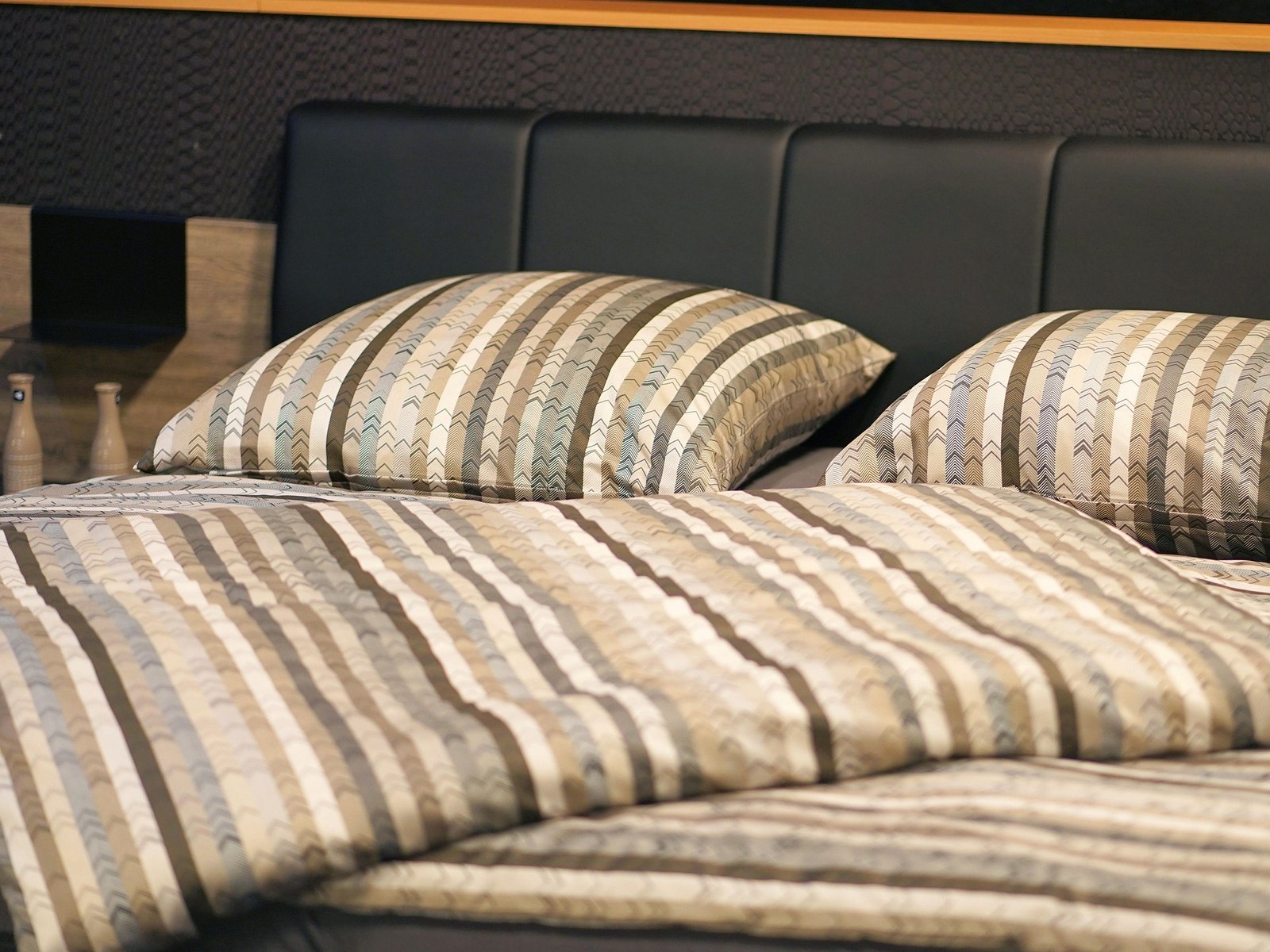
A good night’s sleep is defined by how well you sleep rather than how long you sleep. While many people focus on mattresses or pillows, bed linen is just as crucial in determining sleep quality and overall well-being. From fabric selection to breathability and comfort, the appropriate bed linen can make a significant difference in how rested you feel in the morning.
The Relationship Between Bed Linen and Sleep
Comfort and temperature control, according to sleep professionals, are essential factors in obtaining uninterrupted sleep. Texture, softness, and ventilation all have a significant influence on how well you sleep because bed linens come into direct contact with your skin for hours every night. Uncomfortable, overheated, or irritated bed linens can lead to sleepless nights.
On the other hand, well-selected bed linens create a comfortable sleeping environment that supports the body’s normal sleep cycle.
Fabric Is More Important Than You May Imagine
The advantages of various bed linen materials vary:
- The softness and breathability of cotton make it a popular choice for bed linens. It facilitates air circulation, which aids in controlling body temperature while you sleep.
- Because flax fibres are naturally cooling and moisture-wicking, linen bed linen is perfect for people who sleep overheated or for warmer areas.
- As long as they are well-finished and skin-friendly, premium mixed textiles can provide comfort and durability.
Selecting natural, breathable textiles encourages deeper, uninterrupted sleep and helps avoid night sweats.
Temperature Control and Breathability
The ability of bed linen to control moisture and temperature is one of its most underappreciated features. Heat-trapping bed linens interfere with the body’s natural cooling process, causing repeated nighttime awakenings. Breathable bed linens make the sleeper comfortable throughout the night by allowing extra heat and moisture to escape.
Because frequent sleep disturbances can affect mood, concentration, and energy levels during the day, this balance is particularly important for general well-being.
Sensitivity and comfort of the skin.
The significance of bed linens for skin health is often overlooked by those with allergies or sensitive skin. Irritation or discomfort can be brought on by rough textures, synthetic fibres, and poorly finished seams. Well-made, soft bed linens alleviate discomfort and encourage better sleeping habits by reducing friction on the skin.
Clean, well-kept bed linens increase respiratory comfort at night by lowering exposure to dust and allergens.
Sleep Quality and Psychological Comfort
Bed linens have an impact on mental peace in addition to physical comfort. Your body may sense that it’s time to unwind when you change into fresh, cosy bed linens. A peaceful atmosphere that encourages rest and stress reduction is created by the aesthetic appeal of calming hues and neatly arranged bedding.
This psychological comfort is essential to well-being, particularly in the fast-paced world of today, where getting enough sleep is crucial.
Extended Life and Reliable Sleep
A consistent sleeping experience is provided by long-lasting bed linens that maintain their softness and structure throughout time. Low-quality bed linens may feel nice at first, but after several washes, they become less soft, which eventually lowers the quality of your sleep.
Purchasing premium bed linens supports long-term sleep health as well as comfort.
In conclusion
Bed linens have a greater influence than most people know, because sleep and well-being are intrinsically linked. By choosing breathable materials, prioritising skin comfort, and utilising premium bed linens, people can significantly enhance their quality of sleep during the night.
Your sleep, happiness, and general well-being can all be enhanced by small changes like replacing your bed linens. After all, the surfaces we sleep on every night are the first step towards a healthy sleep.
Leave a Reply