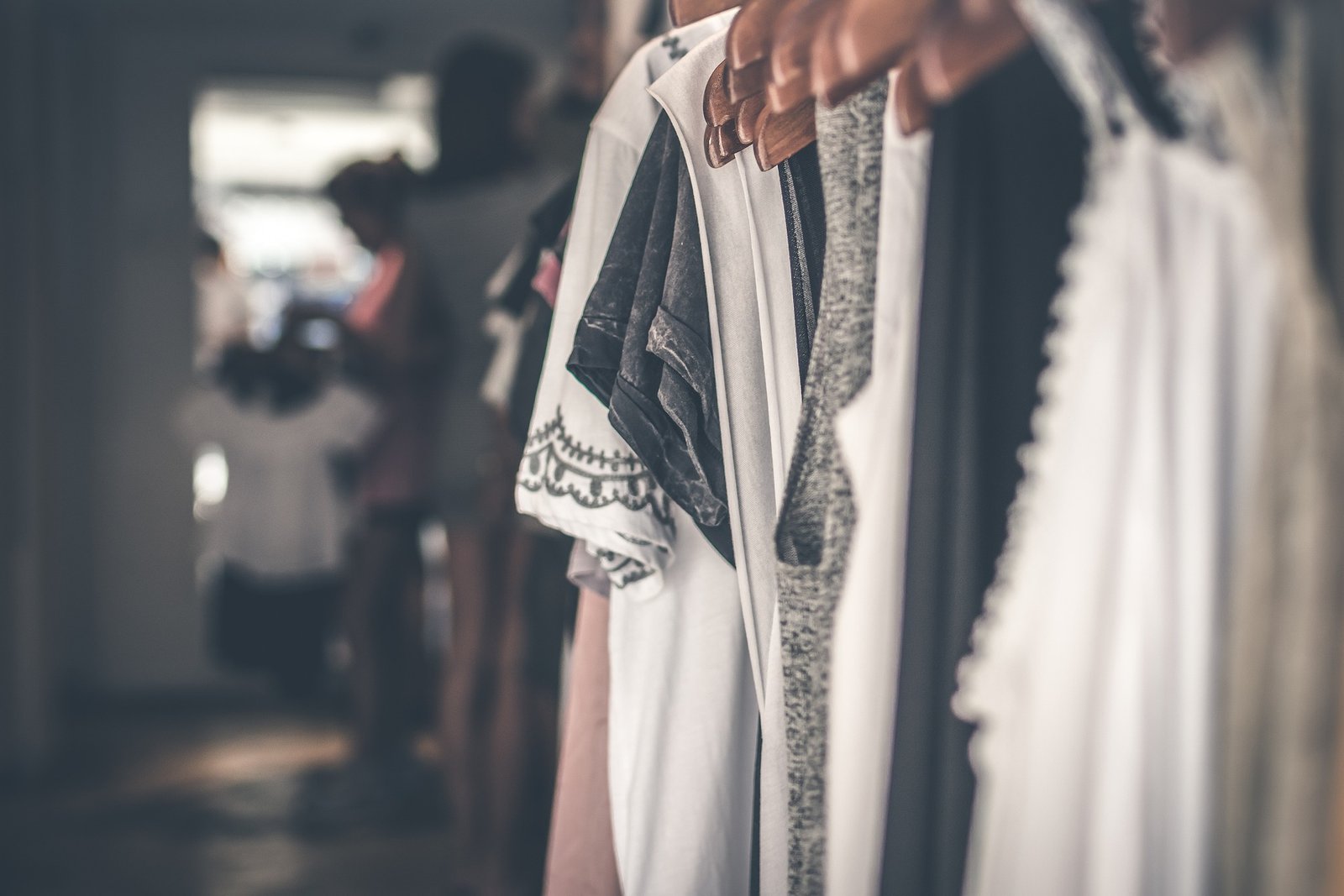
The global shift towards conscious living has transformed sustainable fashion from a niche movement to a major industrial revolution. As consumers demand openness and accountability, brands are moving quickly. Here are the top sustainable fashion trends that will redefine the industry this year.
1. Eco-Friendly and Regenerative Materials Take Center Stage.
One of the most significant changes in sustainable fashion is the proliferation of regenerative and low-impact materials. Organic cotton, Tencel, hemp, bamboo, and recycled polyester are becoming the new standard. Regenerative farming, which involves producing crops in methods that restore soil health, is also gaining popularity, as it helps to reduce carbon footprints while boosting biodiversity. These materials not only feel high-end, but they also provide long-term environmental protection.
2. Circular fashion models are becoming the new normal.
Circularity is displacing the conventional “take-make-waste” model. From rental and resale platforms to repair programs and upcycling collections, manufacturers are exploring innovative methods to extend garment lifecycles. Upcycling existing goods into new designs has particularly gained popularity. This year, many labels are transforming abandoned textiles into one-of-a-kind new pieces, eliminating waste while inspiring creativity.
3. Slow Fashion vs. Fast Fashion
Consumers are turning from quantity to quality, adopting the “buy less, buy better” philosophy. Slow fashion emphasises timeless designs, sturdy construction, and long-term value. This trend promotes conscious shopping and drives firms to create smaller, more thoughtful offerings. As slow fashion gains popularity, the industry is transitioning away from unsustainable mass-production cycles.
4. Transparent supply chains promote consumer trust.
Sustainability necessitates honesty. More brands are now revealing where and how their garments are manufactured. QR-coded labels, blockchain tracking, and thorough sustainability reports assist customers in understanding the route from fibre to finished product. Transparent supply chains build confidence and hold corporations accountable for ethical working conditions and environmentally sustainable practices.
5. Technology-driven sustainability is on the rise.
Technology and sustainable fashion are combining in new ways. 3D sampling eliminates the requirement for physical prototypes, which saves both fabric and water. AI-powered inventory forecasting helps to prevent overproduction. Furthermore, lab-grown leather and plant-based dyes are gaining popularity, providing fashionable options without causing environmental damage. Sustainable technology is demonstrating that smart, efficient production is the key to fashion’s future success.
6. Gender-Neutral and Minimalist Designs Gain Popularity.
Minimalist, flexible, and gender-neutral collections are popular this year. These designs discourage the need for large seasonal wardrobes and promote multifunctional styling. By reducing silhouettes and emphasising long-lasting textiles, manufacturers are combining minimalism with sustainability.
Leave a Reply